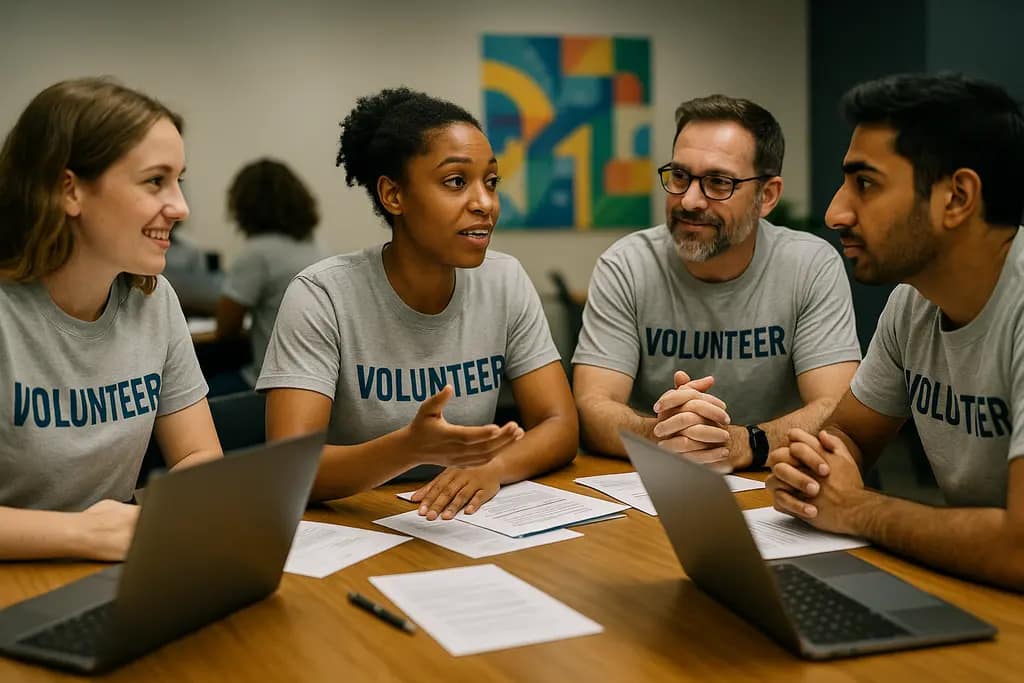
Volunteer mobilization for digital equity advocacy works best when campaign teams treat digital tools as organizing infrastructure, not as a substitute for community trust. A 2024 grassroots organizing analysis cited in the research for this article reported that 90% of grassroots responses were triggered online, a figure that points to the central place of digital channels in prompting action grassroots organizing analysis. That finding supports a practical but cautious lesson: online triggers can move people quickly, but campaigns still need local relationships, clear asks, and reliable follow-up if they want short bursts of attention to become durable civic participation.
The issue is especially sensitive in digital-equity campaigns because the work is often about access itself. Volunteers may be asking neighbors to attend a public meeting, sign up for a broadband benefit, document local service gaps, support funding for community technology programs, or share lived experience with policymakers. Some people reached by these campaigns may have limited connectivity, low trust in institutions, language barriers, or prior frustration with public programs. A volunteer plan that assumes constant internet access can unintentionally exclude the same communities the campaign aims to serve.
What Digital Equity Advocacy Needs From Volunteers
Digital Equity Advocacy Starts With Trust
For digital equity advocacy campaigns, the first volunteer task is not always persuasion. Often it is listening, documentation, and referral. A resident who lacks affordable home broadband may not respond to a policy memo, but may respond to a neighbor, librarian, parent organizer, faith leader, student volunteer, or local nonprofit worker who can explain what is being requested and why it matters. That human layer changes how digital outreach should be designed. A text or email can open the door, but the campaign still needs people who can answer questions, correct misunderstandings, and send residents to the right place for help.
Volunteer recruitment should begin with the communities most affected by the problem, while avoiding token participation. Campaigns should be clear about the work being asked of volunteers, the time required, how personal stories will be used, and what decisions volunteers can influence. In digital-equity work, the most credible messengers may be people who have dealt with poor service, unaffordable bills, device shortages, or the lack of accessible training. Their experience is evidence, but it should not be extracted without consent, context, and a chance to review how it will appear in campaign materials.
Local Coalitions Keep Outreach Grounded
Coalition work matters because digital access problems rarely fall inside one institution. Schools, libraries, housing groups, senior centers, health clinics, workforce programs, immigrant-serving organizations, and disability advocates may all see different parts of the same problem. A volunteer mobilization plan can assign each partner a defined role: identifying residents, hosting training, translating materials, collecting public comments, or preparing speakers for hearings.
For a broader perspective on how interconnected issues are presented across similar topics, readers can visit Earth Times within the same network. The connection is not cosmetic. Broadband access, climate information, disaster alerts, public health notices, and government services increasingly depend on communication channels that some households cannot reliably use.
Why Digital Channels Change Volunteer Roles
Texting Shows Scale, Not Automatic Persuasion
Texting has become one visible example of volunteer-driven digital outreach. In the 2020 presidential campaign cycle, The Washington Post reported that more than 12,000 volunteers participated in a text messaging effort for Bernie Sanders campaign texting report. That example is election-specific and should not be treated as proof that every issue campaign can reach the same scale. It does show that distributed texting can divide large outreach tasks among many people, allowing volunteers to contact supporters or community members without gathering in one office.
The risk is that campaign managers may treat message volume as success. For a digital-equity effort, the better question is whether the text leads to an action that fits the recipient’s situation. Did the person attend a local meeting, request help, share a service problem, join a phone bank, or speak with a public official? Did the campaign avoid sending residents to online-only forms if they lack stable access? Did volunteers have a script for people who wanted help rather than a political ask? Scale can create reach, but reach is not the same as accountability.
Online Triggers Need Offline Capacity
Digital organizing can create fast responses, but digital-equity campaigns should plan for offline follow-through before sending a large call to action. If hundreds of residents respond to a form asking for help with broadband enrollment, someone must review responses, protect personal information, and route people to real assistance. If volunteers collect stories about unaffordable service, the campaign needs a process for consent, verification, and anonymization where needed. If a social post asks people to attend a hearing, organizers should provide transportation details, language access information, and a non-digital contact option when possible.
This is where volunteer roles should become more specific. Campaigns often ask for “help spreading the word,” but that phrase can hide very different tasks. A person who is comfortable posting on social media may not be ready to answer eligibility questions. A volunteer who can call neighbors may need a short training on privacy and escalation. A local organizer may be better suited to convene a meeting than to manage a spreadsheet. Clear roles reduce confusion and protect the community from inaccurate guidance.
How To Build A Volunteer Mobilization System
Design Roles Around Small Actions
Many people care about digital access but cannot commit to long meetings or repeated shifts. Campaigns can make participation easier by separating work into small, verifiable actions. A volunteer might send five texts, confirm one community meeting location, call three residents who requested follow-up, translate one flyer, or record public Wi-Fi barriers in a specific neighborhood. These tasks should connect to a shared campaign goal rather than becoming disconnected activity.
A small-action model also helps campaigns avoid over-relying on the same core volunteers. The site’s discussion of micro-volunteering for activism is relevant here because digital-equity work often needs many modest contributions spread across neighborhoods and institutions. The organizing challenge is to make those contributions measurable without making participation feel bureaucratic.
Route Volunteers Through Clear Channels
Volunteer systems can fail when every platform becomes a separate command center. A campaign might have email updates, SMS reminders, a messaging app, shared documents, social media direct messages, and meeting notes in different places. That can work for a small group, but it becomes fragile as participation grows. Volunteers need to know where assignments come from, where to report completion, who can approve public messages, and how urgent questions are escalated.
One practical model is to separate channels by function. Email can carry weekly context and policy updates. SMS can handle time-sensitive reminders. A shared form can record outreach results. A training document can hold approved talking points. A smaller coordinator channel can resolve questions. For campaigns working across several tools, the site’s guide on coordinating volunteers across platforms offers a useful frame: reduce channel confusion before asking more people to join.
- Recruitment: Ask people to join for a specific role, not a vague commitment.
- Training: Provide short scripts, privacy rules, and escalation steps.
- Action: Match tasks to volunteer skill, access, language, and time.
- Feedback: Report what happened after the action so volunteers see the public purpose.
Risks, Verification, And Volunteer Care
Accuracy Is Part Of Community Protection
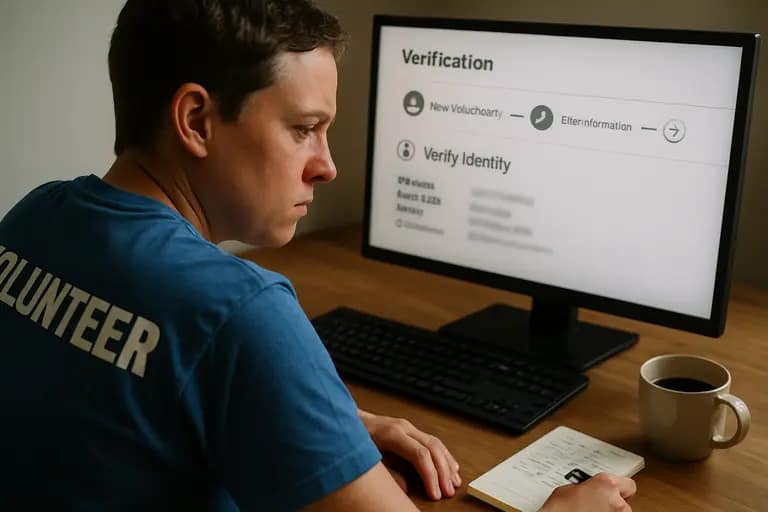
The available research for this article is strongest where figures are tied to published reports; other campaign case-study numbers should be treated as campaign-reported unless independently verified. That same caution should guide volunteer mobilization. A digital-equity campaign may touch public benefits, broadband programs, grant timelines, agency rules, school policy, or local government decisions. Volunteers should not be asked to improvise answers about eligibility, legal rights, or funding status unless the campaign has verified guidance from the relevant institution.
Accuracy is not only a media standard; it is a community protection practice. A resident who rearranges work or childcare to attend a meeting based on wrong information bears the cost of the error. A family that shares personal information through the wrong form may face privacy risks. A campaign that circulates a claim about service availability without checking it may damage trust with residents and officials alike. Digital speed makes these risks easier to create and harder to repair.
Volunteer Care Shapes Retention
Volunteer retention depends on more than enthusiasm. Digital work can be repetitive, emotionally draining, or socially tense, especially when volunteers contact strangers or respond to frustrated residents. Campaign teams should avoid treating unpaid participants as an unlimited resource. Reasonable shift lengths, clear stop times, opt-out options, and a named coordinator for difficult interactions help prevent burnout.
Care also includes transparency about impact. If volunteers collect 300 stories, they should know how those stories were used. If a petition is delivered, they should know to whom it was delivered and whether any response followed. If a meeting with public officials is scheduled, volunteers should know which office is involved, what is confirmed, and what remains unresolved. That discipline fits the larger standard for civic communication: distinguish what happened from what is planned, requested, or hoped for.
Volunteer Standards For Digital Equity Advocacy
The strongest volunteer programs for digital equity advocacy are neither purely digital nor purely local. They combine online recruitment, structured messaging, trusted community partners, and careful follow-up. They ask volunteers to do work that is specific enough to complete and meaningful enough to matter. They also recognize that access gaps affect who can volunteer, who can respond, and who may be left out if the campaign depends only on online participation.
For digital equity advocacy teams, the practical standard is simple to state and harder to maintain: every digital action should connect to a real person, a verified claim, and a next step that the community can use. Volunteer mobilization succeeds when it turns attention into organized public participation without overstating what the campaign has proved or promised. That is the difference between a contact list and a civic infrastructure that can support durable digital inclusion work.