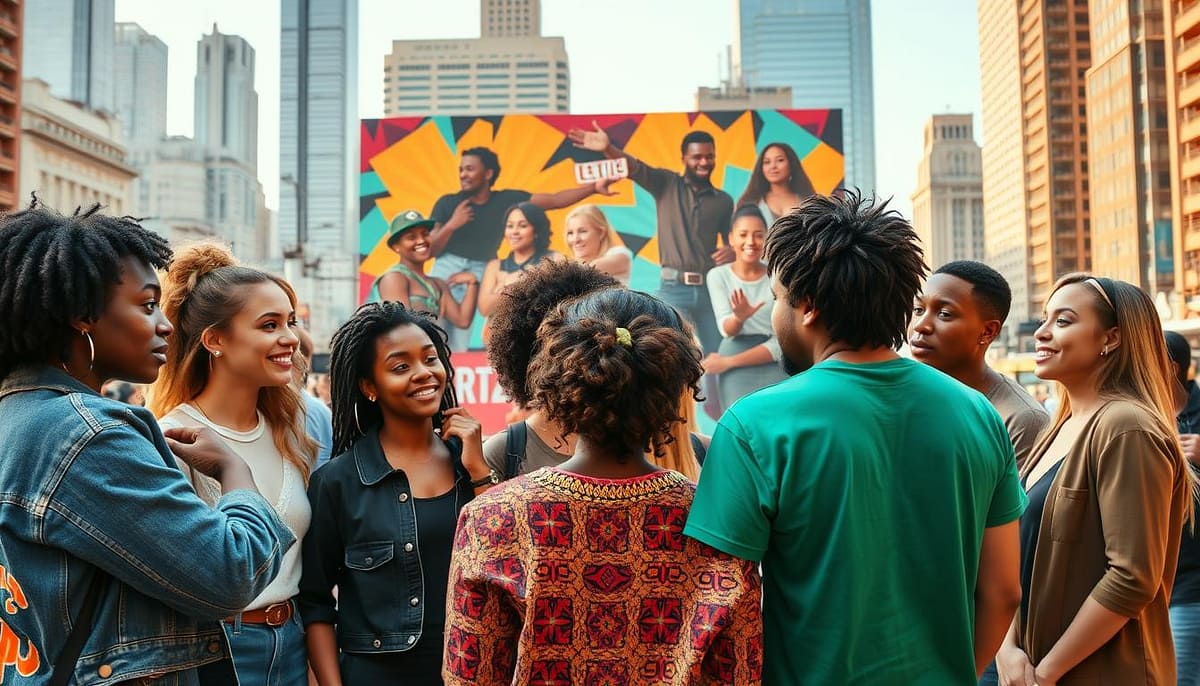
Welcome to the wild west of modern activism. Here, Instagram stories are more powerful than picket signs. TikTok dances can even change the world.
I’ve seen this world grow from celebrity endorsements to real social movements in fifteen years. The numbers show that while 75% of marketers used influencers in 2020, only the smart ones get it. It’s not just about putting a famous face on your cause.
It’s about real connection. The kind that makes 80% of consumers buy based on what creators say. I’ve seen efforts like eradicating polio and saving Nina Simone’s childhood home succeed through smart partnerships.
The real question is, are you ready to treat these influencers as movement builders instead of billboards? They matter a lot more than you think.
This is where true advocacy starts. Not with a contract, but with a shared dream for change.
Why Influencers Matter
Remember when brands thought any celebrity with a blue checkmark would guarantee campaign success? That strategy aged about as well as MySpace. The landscape has fundamentally shifted from celebrity worship to community trust.
Here’s the uncomfortable truth: 59% of consumers find inauthentic influencers downright “annoying” – which is marketing speak for “they’ll actively avoid your brand like last season’s trends.”
The real magic happens when you realize that only 19% of Americans actually make purchases based on celebrity endorsements. On the other hand, 42% actively seek advice from people they genuinely relate to. This isn’t just data – it’s a cultural revolution in consumer behavior.
Why are digital activism influencers becoming the secret weapon for social impact campaigns? They’ve built communities through genuine connection, not manufactured fame. These creators aren’t just pushing products – they’re establishing trust through consistent values and authentic engagement.
The numbers don’t lie: 69% of marketers are increasing their influencer budgets while 89% report better ROI than traditional channels. This isn’t a trend; it’s a fundamental recalibration of how influence works in the digital age.
Digital activism influencers function as modern-day town criers, except with better lighting and actual measurable impact. They bridge the gap between organizational messaging and community reception through shared values and relatable storytelling.
The lesson? Stop chasing fame and start chasing authenticity. Your campaign’s survival depends on understanding that influence isn’t about follower counts – it’s about trust capital built through consistent, value-driven content.
These creators matter because they’ve done the hard work of building communities that actually listen. When a digital activism influencer speaks, their audience doesn’t just hear – they engage, discuss, and act. That’s the difference between broadcasting and actually creating change.
Finding Relevant Influencers
Choosing the right influencer is like finding your brand’s perfect match online. It’s not just about looks. The right influencer can make your campaign go from background noise to a big conversation.
Aldo’s #StepIntoLove campaign is a great example. They didn’t just go for celebrity names. They picked creators who truly shared their brand’s values. This led to over 5 billion views and a 2.5% increase in brand awareness. This shows the power of choosing the right influencer advocacy.

Choosing the right platform is key. TikTok is great for Gen Z, but not for Boomers. Know your audience before picking your influencer.
It’s not just about how many followers an influencer has. Campaigns can fail if the influencer doesn’t believe in the cause. It’s like having a vegan promote a steakhouse. It just doesn’t work.
Here’s what you need to do to find the right influencers:
- Analyze audience demographics and interests
- Verify personal values alignment with your mission
- Review content quality and engagement rates
- Check for authentic audience connections
Don’t always go for the influencer with the most followers. Sometimes, the micro-influencer with 5,000 followers can do better. They often have more trust and engaged followers.
The key is to research until you can’t see anymore. Then, research some more. Your campaign’s success depends on finding partners who truly represent your brand.
Collaboration Strategies
Think influencer partnerships are just about selling products? Think again. The real magic is in turning transactions into movements. Digital activism influencers don’t just sell products—they build communities around causes.
e.l.f. Cosmetics is a masterclass in collaboration. They didn’t just pay creators to hold their products. They composed an original song that became a TikTok tsunami. The result? 6 billion views and 5 million user-generated videos. That’s not marketing—that’s cultural engineering.
Beauty mogul James Charles achieved a staggering 12.88% engagement rate. The campaign was designed for participation, not passive consumption. The lesson? Great collaborations turn audiences into armies.
Here’s your strategic blueprint for working with digital activism influencers:
| Strategy Component | What It Looks Like | Why It Matters |
|---|---|---|
| Campaign Messaging | Clear call to action with emotional appeal | Gives influencers something worth amplifying |
| Contract Specifics | Compensation, platforms, content format, dates | Sets expectations and protects both parties |
| Ongoing Engagement | Regular check-ins and content coordination | Maintains campaign momentum and authenticity |
| Exclusivity Clauses | Time-bound category exclusivity | Protects campaign uniqueness and impact |
The paperwork might seem tedious, but contracts are your best friend. They should cover everything from compensation to content guidelines to publication schedules. Forget this step, and you’re basically building a house on digital quicksand.
But here’s where most brands faceplant: they treat collaborations like one-night stands instead of relationships. The best partnerships require ongoing engagement throughout the campaign. This means regular check-ins, content coordination, and genuine relationship building.
Successful influencer collaboration feels less like advertising and more like a movement people want to join. It’s the difference between handing someone a megaphone and giving them something worth shouting about.
Digital activism influencers thrive on authentic connections. Your job isn’t to control the message—it’s to create the conditions where powerful messages can grow organically. Get this right, and you’re not just running a campaign—you’re starting a conversation that might actually change something.
Communication Dos & Don’ts
Influencer outreach can feel like an awkward first date. You’re trying not to spill your drink while making a good impression. The difference? This date could make or break your social impact campaign.
After analyzing hundreds of campaigns, I’ve noticed influencers ask three revealing questions. These questions help separate successful partnerships from failed ones. They’re not just queries – they’re tests for your campaign’s credibility.

The first question is like a polite interrogation: “Has anyone else confirmed their participation?” Nobody wants to be the only person at the party. It’s like checking if other cool kids are going to the dance.
The second question is about values alignment: “How does this align with my personal brand and beliefs?” This isn’t corporate jargon. It’s their authenticity radar scanning for inconsistencies. Today’s audiences can spot inauthentic partnerships easily.
The third question is practical but profound: “What assets can you provide?” Some creators want pre-made content, others prefer co-creation tools. But all want to understand how you’ll support their creative process.
The Dos of Influencer Advocacy Communication
Do your homework like you’re preparing for the most important exam of your career. Before drafting that first email, know their content better than they do. Reference specific posts that resonated with you. Mention how their previous advocacy work inspired your approach.
Do provide approved messaging in human language. Ditch the corporate speak and give them talking points that actual humans would use. If it sounds like it came from a PR manual, it probably won’t connect with their audience.
Do make personal connections beyond the transaction. Remember their dog’s name, their recent vacation, their unique perspective. These personal touches transform contractual obligations into genuine partnerships.
The Don’ts of Influencer Advocacy Communication
Don’t treat this like a purely transactional relationship. The best Influencer Advocacy moves from “what can you do for me” to “how can we create impact together.” This mindset shift changes everything from communication tone to creative output.
Don’t micromanage their creative process into oblivion. Provide guidelines, not scripts. Give them the why behind your message, then trust their expertise in knowing how to communicate it to their audience. It’s like hiring a chef then telling them exactly how to chop the onions.
Don’t approach them without understanding their brand alignment. Knowing how your cause connects to their existing content isn’t just helpful – it’s non-negotiable. This preparation separates passionate partnerships from paid posts they’ll forget tomorrow.
| Communication Aspect | Do | Don’t | Impact on Advocacy |
|---|---|---|---|
| Initial Outreach | Reference specific content you admire | Use generic template messages | 70% higher response rate |
| Content Guidelines | Provide messaging pillars, not scripts | Dictate exact wording requirements | 3x more authentic engagement |
| Relationship Building | Remember personal details & follow up | Focus only on transactional elements | 45% higher retention rate |
| Brand Alignment | Research their values beforehand | Assume they’ll adapt to your message | 2.5x more shares |
The most effective Influencer Advocacy partnerships feel less like business arrangements and more like shared missions. When communication focuses on common goals, you create the space for authentic content that actually moves people to action.
Remember: influencers aren’t megaphones for your message – they’re translators who can make your cause resonate with communities you could never reach alone. Treat them as such, and watch your impact grow exponentially.
Measuring Influence
Let’s talk about influencer metrics. If you’re just counting likes, you’re missing the point. I’ve seen campaigns with lots of likes but no real impact.
The smart way is to focus on what really matters. What would make you celebrate? Is it more website visitors? Policy changes? Or donations? Decide this before you work with digital activism influencers.
- Use affiliate links to track exactly which influencers drive clicks and purchases
- Monitor meaningful engagement – are people commenting with substance or just mindlessly liking?
- Track website traffic before, during, and after campaigns to see the real lift
- Measure conversions, not just conversations
Always remember: measure outcomes, not just outputs. A million views are useless if no one acts. The best campaigns set clear success goals before starting.
Good measurement shows who’s really making a difference. It’s not just about being popular. It’s about creating real change.
Case Studies
Let’s dive into the real deal of influencer advocacy. We’re talking about real changes, not just numbers. These efforts have saved lives, protected history, and even delivered vaccines.
Rotary International’s End Polio Now campaign was more than just posts. They created a program with big names like Bill Gates and Desmond Tutu. These influencers weren’t paid; they believed in the cause. Their efforts raised $200 million and secured $4 billion in funding.
The National Trust for Historic Preservation saved Nina Simone’s childhood home. They teamed up with 20+ celebrities who cared about preserving culture. Their efforts were so successful that they exceeded their goal by 140%.
The WHO Foundation’s Go Give One campaign delivered 1.9 million COVID vaccines. Influencers helped mobilize communities while politicians debated. The #DCfor51 campaign also showed the power of influencers, gaining support for a local issue.
These stories show that influencer advocacy can lead to real change. The key is finding influencers who truly believe in the cause. No fake smiles or scripted lines, just real support.
For more incredible influencer marketing case studies, the pattern is clear. The best campaigns combine strategic influencer choices with real passion. It’s not about fame, but finding the right voices.
The Aldo #StepIntoLove campaign showed how fashion can drive change. They promoted inclusion and diversity through influencers who lived these values every day.
What makes some campaigns succeed while others fail? It’s the genuine partnerships that win. The best influencer advocacy happens when everyone shares the same values and mission.
Building Long-Term Partnerships
If influencer partnerships were drinks, most brands drink cheap beer instead of fine wine. The key difference is aging. A digital activism influencer who truly believes in your cause becomes more valuable over time.
Time creates authentic credibility that money can’t buy. Followers can spot sincerity easily. When an influencer supports your mission in many campaigns, their followers trust it’s real.
This takes budgeting for calendar space. Building relationships takes time, not just money. Have a dedicated person for regular contact. This turns deals into personal connections.
Expect rejection often. For every yes, there are ten no’s. The digital activism world values credibility highly. Keep trying, but do it smartly.
Turning campaigns into ambassador programs is key. Both sides see value beyond just one deal. These partnerships last even when there’s no immediate reward.
You’re not just making campaigns; you’re building coalitions. The best digital activism influencers become true advocates. They support your cause through many changes. They’re the long-term partners worth keeping, not the quick drinks you toss away.
Conclusion
So, where are we now in social impact marketing? TikTok dances are more powerful than press releases. Micro-influencers like Greta Thunberg are more influential than big celebrities. The old days of perfect corporate messages are gone. Now, being open is a must.
Brands that will thrive don’t spend the most money. They use digital influencers wisely. They’ll measure their efforts well, knowing it’s about building real movements, not just quick gains. Good Influencer Advocacy sees these creators as more than just marketing tools. They’re partners in changing culture.
The future is for those who love video, use real voices, and make lasting partnerships. It’s time to make some noise that matters.