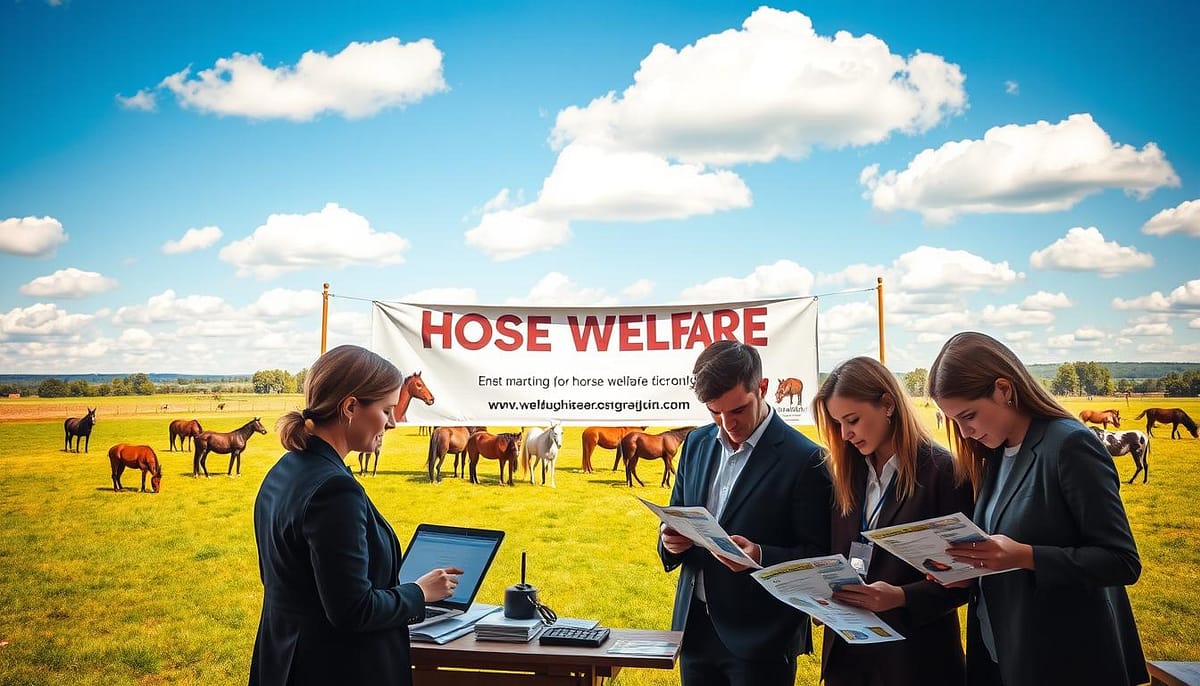
The old bake sale method for saving horses is not working. You’re here because you know that. The digital world needs a new kind of hero.
Past efforts alone can’t change policies anymore. Today, the battle for horses’ welfare is fought in emails and online news. Your digital messages are the heart of a modern movement.
Advocates face a big choice. Do you choose a flexible, focused platform for your advocacy emails? Or do you need a powerful CRM, a whole team for your cause?
The right strategy can turn quiet likes into loud voices for change. This is where real supporter engagement starts. It’s not just whispers, but a strong campaign that speaks to people.
We’re moving past the digital clutter. We’re building a group that cares, clicks, and makes a difference. Your inbox is the new frontier. Let’s explore it together.
Mailchimp: A Go-To for Nonprofits
Mailchimp is a big name in the nonprofit world. It’s because it’s easy to use and doesn’t overwhelm you. It’s perfect for groups like animal welfare advocates.
It’s like a gateway to better digital outreach. You start with a simple newsletter. Then, you can create complex email automation sequences easily. This makes it very valuable.
Many organizations, like Best Friends Animal Society, use Mailchimp. They like it because it’s easy to use and helps them reach more people. It’s great for saving horses.
The drag-and-drop editor is super helpful. It makes designing emails fun, not hard. You can make your emails look professional and match your cause’s style.
Mailchimp also helps you manage your list well. You can sort people based on what they’ve done. This lets you talk to them in a way that matters to them.
This sorting helps Mailchimp’s automation work better. It lets you focus on your mission while it handles the details.
| Feature | Description | Best For | Advocacy Impact |
|---|---|---|---|
| Campaign Templates | Pre-designed, mobile-responsive email layouts for fundraising, updates, and alerts. | Small teams with limited design time. | Professional appearance builds trust and engagement instantly. |
| List Segmentation | Tagging and grouping contacts based on behavior, donation history, or engagement. | Personalizing messages to different supporter types. | Increases relevance, which boosts open rates and action taken. |
| Automation Workflows | Pre-set series of emails triggered by actions like signing a petition or making a donation. | Nurturing new supporters or re-engaging lapsed ones automatically. | Provides timely, targeted communication without manual effort. |
| Performance Analytics | Tracks opens, clicks, and which content resonates most with your audience. | Understanding what works to refine future campaigns. | Data-driven decisions lead to more effective advocacy over time. |
Imagine a supporter signs your online petition. They get a “welcome” email right away. Then, a video email a few days later. And a donation ask a week after that. This is email automation at work, building a relationship automatically.
Mailchimp is great for advocates who need to make a lot of noise. It’s easy to use and doesn’t require a lot of technical knowledge. This is key for horse welfare groups, where resources are limited.
ConvertKit Creator Focus
ConvertKit sees email as a way to weave stories together, not just shout messages. It turns a list of names into a community ready to help. For horse welfare, this approach is key. It’s about turning a sad story into a beacon of hope.
Among newsletter platforms, ConvertKit is unique. It’s made for those who love to tell stories. Imagine sending a series of emails about a rescue horse’s journey. Each one builds on the last, keeping readers eager for more.
ConvertKit treats your list as a living, breathing community. It helps you see your audience in a new light. People who care about wild mustangs get different emails than those interested in therapy programs.
This makes your emails feel personal. It’s like you’re talking directly to their heart. This is what makes ConvertKit a powerful tool for building relationships.
ConvertKit lets you map out the journey of each subscriber. A new sign-up gets a story about your organization’s start. Donors get emails about the impact of their support. It’s like publishing a book for a cause.
The best newsletter platforms know that advocacy is a long-term effort. ConvertKit helps you build relationships over time. You can offer valuable content to capture emails and start a personalized journey for each subscriber.
Let’s look at how ConvertKit changes the game. The table below shows how it differs from traditional email marketing for advocacy.
| Aspect | ConvertKit’s Approach | Traditional Email Approach |
|---|---|---|
| Primary Focus | Subscriber journey & relationship depth | Message open rates & click-throughs |
| Content Strategy | Serialized storytelling & narrative arcs | Campaign blasts & event promotions |
| Audience View | Constellation of tagged micro-audiences | Monolithic list segments |
| Success Metric | Long-term engagement & patron conversion | Immediate donation per email |
Notice the shift? It’s from quick fixes to lasting change. ConvertKit builds a foundation for ongoing support. This is key for animal welfare, inviting people into a story that continues.
This is why newsletter platforms like ConvertKit are great for grassroots movements. They help you find and mobilize your most passionate supporters. This turns them into powerful voices for your cause.
In the end, it’s about building a movement, not just marketing. ConvertKit helps turn subscribers into true stakeholders in your mission. They become part of the rescue’s next chapter. That’s how you create real change.
Constant Contact Nonprofit Features
Don’t be fooled by Constant Contact’s friendly look. It packs a punch for nonprofits. It’s been around longer than some laws, making it a trusted name.
It offers nonprofit features that are top-notch. You get pre-made templates for fundraising that look great. Imagine elegant designs for your charity events.

Its donation buttons are a game-changer. They’re easy to use and don’t need any tech help. This makes giving easy and seamless.
Constant Contact focuses on supporter engagement in a big way. It knows donors can become volunteers or advocates. It offers tools for emails, events, social media, and surveys.
This means you can manage everything from one place. It’s a big help for small teams.
Here are the main nonprofit features:
- Fundraising-Specific Templates: Designs for donation appeals and success stories.
- Seamless Donation Integration: Links to payment processors with customizable forms.
- Event Management Suite: Handles invitations, ticketing, and reminders.
- Social Media Cross-Posting: Schedule messages across email and social platforms.
- List Segmentation Tools: Tag donors and volunteers separately.
Constant Contact is known for its simplicity. But is it too simple? Does it lack depth?
For many nonprofits, the answer is no. It’s easy to use and doesn’t need a tech expert. Creating a campaign is as smooth as designing a newsletter.
This approach to supporter engagement is smart. It recognizes people engage in different ways. Constant Contact helps you see and nurture that journey.
The trade-off? It might not have the latest automation. But for those who value ease and cohesion, it’s a good choice.
Consider this: your team can work together seamlessly. Your volunteer coordinator can set up an event while your communications manager drafts an email. It’s all part of the same supporter engagement profile. That’s harmony.
Constant Contact is like a reliable horse. It’s not flashy, but it gets the job done. For nonprofits looking for a unified approach, its experience is a big plus.
Substack Newsletter Style
Substack is a unique platform in a world focused on going viral. Unlike other tools that send messages to thousands, Substack talks to hundreds. It’s like having a respected town crier with a paid list of subscribers.
For horse welfare, this approach is really interesting. Imagine a journalist or an equine advocate doing in-depth stories. They could uncover bad breeding practices or look into flawed laws. Each piece goes straight to the inboxes of donors, journalists, and lawmakers.
The way it works is simple. Readers pay a monthly fee to get your content. This means you have a steady income without relying on grants or viral donations. Your most loyal supporters pay for your work directly.
But there’s a catch. You’re focusing on a smaller audience. Your content might only reach people who already agree with you. Those who are undecided or skeptical might not see your work.
Newsletter platforms like Substack have both good and bad sides. They give you credibility and show you’re serious. It’s not just another email blast. It’s a special briefing for those in the know.
To succeed, you need to be a great writer and advocate. Your analysis must be sharp, and your stories engaging. People are paying for deep insights, not just emotional appeals.
So, who benefits from Substack? Those with a strong personal brand and writing skills. Organizations that want to influence influencers. Causes that need detailed, long-form explanations.
Substack won’t help you grow your email list. It turns an existing list into a source of income. It’s for deep dives, investigative series, and thought leadership, not for broad awareness campaigns. In the digital world, sometimes the quietest voice can make the biggest impact.
List Building Tactics
Building an email list for advocacy is more about organizing a digital community than marketing. It’s like the political ground game. You’re not just collecting data; you’re recruiting allies for a cause. Without a list, you’re like a general without an army.
To turn a website visitor or event attendee into a supporter, create a compelling value exchange. Make giving an email address feel like the first step in participating. Don’t use a generic sign-up box in the footer.
Let’s explore some tactics. Imagine adding a sign-up form to a powerful documentary short on your site. The viewer is already emotionally invested. Asking them to join the movement feels natural.
At county fairs or equestrian shows, use a QR code on posters as your best volunteer. It directs people to a mobile-optimized subscription page. This captures supporter information when they’re most interested.
Your lead magnet is like a recruitment pamphlet. Offer something valuable, like a “Guide to Ethical Horse Ownership.” This makes your organization seem knowledgeable, not just another group asking for money. In return, you earn the right to send future advocacy emails.
This process must be seamless. Simplifying the support process is key, as noted in digital advocacy tips. Use link-in-bio services or single, clear QR codes to remove barriers.
Every new name on your list is a permission slip. But not all permissions are equal. Start segmenting from the first touchpoint. Did they sign up via the “Ethical Guide” or the “Rescue Volunteer” QR code? This initial data is gold.
| Tactic | Channel/Method | Best For | Key Insight |
|---|---|---|---|
| Content-Embedded Sign-Up | Website (video, blog post finale) | Converting passive viewers into active supporters | Capitalizes on peak emotional engagement to request the email address. |
| QR Code Conversion | In-person events (fairs, shows, fundraisers) | Capturing high-intent, local supporter information instantly | Reduces friction; turns a real-world moment into a digital connection. |
| Value-Based Lead Magnet | Website landing page, social media promotion | Building authority and attracting a targeted audience | The quality of your free guide determines the quality of subscriber you attract. |
| Simplified Link-in-Bio | Social media profiles (Instagram, TikTok) | Directing engaged social followers to a single, clear call-to-action | Meets supporters on their preferred platform and streamlines the journey to your list. |
The core principle is trust. You’re asking for access to someone’s inbox, a sacred space. The exchange must be transparent and mutually beneficial. For more on this, check out this comprehensive guide to building an email list.
Remember, a permission-based list is your most valuable asset. It’s a direct line to people who want to hear more. It turns broadcast messaging into a targeted conversation. Every donation, signature, and shared story becomes possible from this foundation.
Campaign Types and Templates
Sending the same email to everyone is like using a sledgehammer for heart surgery. It’s messy and can cause harm. You need the right message for the right person at the right time.
Email taxonomy is key. Let’s look at the four main campaign types every horse welfare group needs.

This is your quick response tool. A legislative threat or a cruelty case hits the news. The alert is urgent and clear, asking for action.
It has bold headlines, easy-to-read bullet points, and a big button for signing a petition. The design is all about “Act now!”. It’s not for your annual report but for urgent action.
The Fundraising Appeal: The Heartstring Symphony
Emotion is the focus here. A donation drive or a year-end campaign needs a strong story. The template is designed to tell a story.
It starts with a powerful image or a compelling subject line. The copy builds a connection before asking for money. The donate button is the emotional conclusion.
The Engagement Newsletter: The Community Campfire
Not every email asks for something. Newsletters build loyalty by giving value. They share success stories, behind-the-scenes moments, or legislative wins.
This template is warm and informative. It uses different content blocks to keep supporters engaged. The goal is to make them feel like insiders, not just donors.
The Welcome Series: The First Handshake
When someone new joins your list, you have a short time to make a good impression. A welcome series is your automated welcome.
Email one thanks them. Email two shares a compelling story. Email three introduces a small action. This email automation turns a new supporter into an advocate without effort.
A good template is more than just looks. It’s a psychological blueprint.
- Advocacy Alerts use urgency and clarity to minimize friction.
- Fundraising Appeals use narrative and emotion to maximize generosity.
- Engagement Newsletters use variety and authenticity to build trust.
- Welcome Series use pacing and education to onboard effectively.
When these templates are part of your email automation system, magic happens. A welcome series starts automatically for new subscribers. A donation follow-up email thanks them and suggests a next step.
This is the power of email automation. It’s the difference between sending a generic plea and a personalized appeal.
Modern platforms make building these templates easy. But remember, the tool is only as good as the taxonomy. Know your campaign types and build your templates with purpose. Then, let email automation send out your messages, moving supporters from curiosity to commitment.
Automation and Segmentation
Forget blasting your entire list with the same plea – automation and segmentation let you conduct supporter relationships like a symphony, with each section playing its part. This is where your email strategy graduates from amateur hour to Carnegie Hall. You’re not just sending messages anymore. You’re building pathways.
Think of email automation as your set of intelligent rules. When someone downloads your report on feedlot conditions, they automatically receive a three-email sequence about sustainable ranching alternatives. It’s like having a 24/7 digital advocate who never forgets a follow-up.
Segmentation is your audience intelligence. It separates casual newsletter readers from monthly donors. Why send the same urgent funding appeal to both? That’s marketing malpractice. With sharp segmentation, you target different groups with messages that actually resonate.
Here’s the beautiful part: these two engines work together. Automation responds to behavior. Segmentation defines who hears what. The result? Conversations that feel personal, even when they’re automated.
Let’s get practical. What does this look like for a horse welfare campaign? Below is a table breaking down common workflows. Each one turns a simple action into a meaningful journey.
| Workflow Trigger | Action Sequence | Target Segment | Expected Outcome |
|---|---|---|---|
| Downloads “Safe Trailering Guide” | 1. Thank you email with guide 2. Case study: trailer accident prevention 3. Ask: support our transport safety fund |
Equestrian enthusiasts, horse owners | Convert information-seekers into safety advocates & donors |
| Donation lapses (90+ days) | 1. “We miss you” check-in 2. Recent rescue story with impact metrics 3. Special reinstatement offer |
Lapsed monthly donors | Reactivate consistent funding with minimal effort |
| Volunteer signs up for event | 1. Confirmation & preparation details 2. “Why your role matters” story 3. Post-event thank you & next steps |
Active volunteers, community supporters | Deepen volunteer commitment, reduce no-shows |
| Attends virtual adoption webinar | 1. Recording & resource links 2. Featured adoptable horse profile 3. Application reminder & success story |
Potential adopters, foster homes | Move attendees through adoption funnel faster |
Notice the pattern? Each workflow starts with a specific action. The automation responds with relevant value. This isn’t spam. It’s context. When someone researches trailer safety, they’re primed for safety messaging. Your automation meets them there.
The re-engagement campaign for lapsed supporters deserves special attention. It’s the email equivalent of a thoughtful “we noticed you’re gone” instead of a desperate “please come back.” Start with genuine concern, not an ask. Share what they’ve missed. Then offer an easy way back in.
Birthday emails for volunteers? Absolutely. But make them count. Don’t just say “happy birthday.” Share a horse rescued on their birthday last year. Include a photo. Connect their personal milestone to your mission’s timeline. That’s supporter engagement that sticks.
When a matching grant opportunity appears, your segmentation should instantly identify previous donors to similar causes. Your automation delivers a targeted ask with deadline urgency. This precision turns occasional givers into strategic partners.
Here’s the intellectual analysis part: this moves you from broadcasting to conversing. Broadcasting treats everyone the same. Conversing recognizes individuality. It’s the difference between a megaphone in a park and a quiet chat over coffee.
Nonprofit tech guides praise this approach for good reason. Integrated data creates powerful segments. A volunteer who also donates and attends events? That’s your inner circle. They get different messages than someone who just signed your petition once.
The efficiency meets empathy equation works like this: automation handles the repetitive tasks. Your team focuses on creative strategy and personal outreach. Supporters feel understood, not marketed to. Everyone wins.
Think of your best donor relationships. They probably didn’t start with a cold ask. They started with shared values, then information, then small actions, then bigger commitments. Email automation simply scales that natural progression.
Your segmentation strategy should mirror how people actually engage with causes. Some want heartbreaking rescue stories. Others prefer policy change updates. Some respond to matching challenges. Others like monthly impact reports. One list, many journeys.
This isn’t about replacing human connection. It’s about removing the friction between intent and action. When someone wants to help, your automated pathways make it easy. When someone drifts away, your sequences gently bring them back.
The ultimate goal? Treating supporters as individuals with unique pathways through your cause. That’s how you build lasting relationships, not just transaction logs. That’s how advocacy grows from a campaign into a community.
A/B Testing Messages
Welcome to the control group. In the world of advocacy emails, A/B testing is key. It’s the difference between shouting into the void and starting a chant everyone joins. Guessing what works is for amateurs. Knowing is for advocates who win.
Think of it as the scientific method for your campaign. You have a hypothesis. “More people will open an email with an urgent subject line.” Or, “A personalized story will drive more clicks than a general plea.” A/B testing—or split testing—lets you prove it.
Why bother? Because as one source wisely encourages, the best approach is to “test and learn.” Start small. Run your first experiments with your most dedicated, inner-circle supporters. Their feedback is gold, and the stakes are lower. This isn’t about vanity metrics. It’s about deeply understanding what flips the switch from passive reading to decisive action.
So, what can you test? Almost everything.
- Subject Lines: “Urgent: Help Stop the Roundup” vs. “A Personal Story from the Range.”
- Call to Action (CTA): A bright red “TAKE ACTION NOW” button vs. a serene blue “Learn More.”
- Sender Name: “From the Executive Director” vs. “From the Herd at [Your Rescue].”
- Email Preview Text: The first line they see in their inbox.
- Content Format: A long-form story vs. a bulleted list of key facts.
Here’s a quick guide to what you’re really measuring when you test these elements:
| Element You Test | Primary Metric to Watch | What It Tells You | Good for Testing With… |
|---|---|---|---|
| Subject Line | Open Rate | What kind of messaging creates curiosity and urgency. | A small, loyal segment first. |
| Call to Action (Button) | Click-Through Rate (CTR) | Which language and design motivate physical clicks. | A larger audience for clear data. |
| Sender Name | Open Rate | Who your audience trusts and recognizes most. | Your full list for brand perception. |
| Email Layout/Image | Overall Engagement & CTR | How your audience prefers to consume information. | A mid-size segment for reliable feedback. |
Now, let’s demystify the stats. You don’t need a PhD. Sample size matters. Testing on 50 people gives you gossip. Testing on 500 gives you data. Most email platforms will tell you when your results are statistically significant—that’s just a fancy way of saying the difference you see is likely real and not a random fluke.
How do you interpret the results? Look beyond the winner. If “Urgent” beat “Personal Story” in opens but got fewer clicks, your audience is curious about crises but unmoved by them. That’s a huge insight. Another source emphasizes optimizing your calls to action. If “Donate” outperforms “Support Us,” you’ve learned the specific language that opens wallets.
Every test, even a “failed” one, is a data point. It tells you more about the complex psychology of your supporters. Are they motivated by fear, hope, community, or direct impact? Your advocacy emails become a dialogue, not a monologue.
Stop wondering. Start testing. Let the data guide your creativity, and watch your campaign’s effectiveness shift from anecdotal to undeniable.
200% Action Increase Case Study
Let’s look at real results, not just ideas. A mid-sized horse rescue was stuck in a rut with generic emails. Their open rates were as low as a muddy paddock. People rarely took action.
They were inspired by success stories like the Monterey Bay Aquarium’s “Act for the Ocean” campaign. They decided to change their approach. They chose a dedicated newsletter platform for deeper stories and focused on real engagement with supporters.
They made a smart move. They segmented their messages for donors, volunteers, and social media followers. They tested different subject lines, like urgent vet bills versus heartwarming recovery stories. Each email was a unique journey.
The results were clear. Open rates went up, and click-through rates soared. Most importantly, actions increased a lot. Petition signatures doubled, and calls to legislators tripled. Small-dollar donations also went up. They saw a 200% increase in actions.
This wasn’t luck. It was the result of a smart CRM strategy and turning a list into a community. The right newsletter platforms are tools. Used wisely, they don’t just send emails. They start movements that help horses go from rescue to pasture.