
Creating a strong defense for sensitive data starts with knowing your digital space. First, you need to understand what personal info you gather and where it goes.
A detailed audit tracks every point where data is collected. This includes forms for signing up, platforms for petitions, systems for donations, and tools for communication. The aim is to record the full journey of the data.
This initial step in threat modeling is key. It shows where risks and unnecessary data collection might be. This helps apply the core data minimization principles.
With a clear view of your data, you can set up strong controls. This groundwork is vital for following big rules like the GDPR and the California Consumer Privacy Act (CCPA). A detailed data map makes legal rules into real security steps.
Legal frameworks overview (GDPR principles, CCPA concepts)
Understanding data protection laws is key for activist groups. The European Union’s GDPR and California’s CCPA are two major frameworks. Knowing these laws helps protect Activist Data Privacy and builds trust.
The GDPR is a global standard. It says data must be collected lawfully, fairly, and openly. Organizations need a clear reason for collecting data and can’t use it for other purposes. They must also have a lawful basis for processing, like consent or a legitimate interest.
The GDPR also gives strong rights to individuals. They can access their data, correct mistakes, and ask for it to be erased in some cases. The law makes organizations responsible for following these rules.
In the US, the California Consumer Privacy Act (CCPA) is a major state law. It’s similar to the GDPR but focuses more on consumers. It lets California residents know what data is collected and how it’s used.
The CCPA also lets people ask for their data to be deleted, with some exceptions. This is important for campaigns in California, as it relates to GDPR for activists working across borders.
The rules are always changing. In the UK, a new Data Use and Access Bill is being watched. Privacy groups worry it might weaken data subject rights. The UK’s Information Commissioner’s Office (ICO) helps guide campaigns on these laws.
Staying up-to-date is essential. Campaign leaders need to understand how these laws apply to their work. The goal is to go beyond just following rules and make privacy a part of their strategy. This respects supporters’ rights and reduces legal risks.
Choosing lawful basis and designing consent
Recent actions, like Meta’s use of data for AI without consent, show how vital a valid lawful basis is. For advocacy groups, this is not just a rule but a key part of managing risks and secure organizing. The GDPR requires every data processing to have one of six lawful bases.
Consent is key for activist marketing, newsletter signups, and petitions. The law demands consent to be freely given, specific, informed, and unambiguous. This means the person must clearly agree.
Pre-ticked boxes, silence, or not doing anything do not count as consent. Implied agreement from using a website is also not enough. Supporters must agree to different types of processing separately.
Creating compliant consent forms needs careful thought. Petition, donation, or membership signups should be clear and simple. They must explain who is collecting the data, why, and for how long.
It’s important to make it easy to withdraw consent. Organizations should have clear unsubscribe links in emails and privacy preference centers on websites. This builds trust and creates a solid audit trail.
While consent is key, there are other lawful bases too. Legitimate interests can be used for some activities. This basis applies when processing is needed for the organization’s or a third party’s interests, unless it harms the individual’s rights.
For activist groups, legitimate interest might cover tasks like fraud prevention or network security. It could also justify analyzing website traffic to improve services. But, using legitimate interests requires a detailed balancing test. The organization must weigh its interests against the individual’s privacy rights and offer a clear opt-out.
The following table outlines key lawful bases relevant to activist work, their requirements, and typical use cases.
| Lawful Basis | Description | Key Requirements | Typical Activist Use Case |
|---|---|---|---|
| Consent | Individual gives clear permission for specific processing. | Freely given, specific, informed, unambiguous; easy to withdraw. | Email newsletter subscriptions, petition signatures, promotional campaigning. |
| Legitimate Interests | Processing is necessary for your legitimate interests or a third party’s. | Conduct a balancing test; provide opt-out; document the assessment. | Website analytics, fraud prevention, internal administration, security. |
| Contract | Processing is necessary to perform a contract with the individual. | Processing must be integral to fulfilling the contractual terms. | Processing donor information to complete a financial transaction. |
| Legal Obligation | Processing is necessary to comply with a common law or statutory obligation. | Must identify the specific legal provision requiring the processing. | Reporting certain donations to regulatory authorities for compliance. |
Choosing the right basis is a critical decision. It can’t be changed without a valid reason. Mixing bases for the same operation is usually not allowed. The chosen basis must be documented in privacy notices and records.
For GDPR for activists, a strict approach to lawful basis and consent design is essential. It turns compliance into a strategic part of secure organizing. It reduces regulatory risks and shows respect for supporter autonomy, building trust for successful advocacy.
Data minimization and retention schedules
Creating clear data retention schedules is key to staying secure. For advocacy groups, following data minimization and storage rules is more than just following the law. It’s a way to protect your data and avoid legal trouble.
The main idea of data minimization is to only collect what you really need. You should ask if you really need a full birth date or just an age range. Does your petition need a home address, or is a postal code enough? This careful thinking helps protect your data better.
To start, you need to audit your data. List all the personal info you collect. Then, check if each piece of data is really needed for your goals. If not, delete it. This makes your data smaller and easier to protect.
Next, create a plan for how long to keep each type of data. This plan should be specific and based on the type of data. A general plan won’t work.
| Data Type | Processing Purpose | Recommended Retention Period |
|---|---|---|
| Petition Signatory Contact Info | Campaign updates and call-to-action | 6 months after campaign conclusion |
| Event Registration Details | Logistics and day-of communication | 30 days after event completion |
| Donor Transaction Records | Financial reporting and tax compliance | 7 years (as required by law) |
| Volunteer Application Forms | Screening and role assignment | 1 year after volunteer relationship ends |
After you make the plan, you need to make sure it’s followed. Data must be deleted from all places it’s stored. Make sure your contracts with vendors include data disposal rules. Regular checks help keep everything on track.
This careful handling of data is a strong security move. It means you have less data to worry about if there’s a breach. This can save your reputation and money. Plus, it helps you focus on the most important data for your advocacy work. You can learn more about how to use data well in this article.
Seeing data retention as a managed process shows you care about privacy. It also makes your organization stronger against data threats.
Vendor Due Diligence and Data Processing Agreements
Third-party vendors are key to an organization’s data handling. They can also be a big risk. To keep data safe, it’s important to protect it with every service provider. A good vendor due diligence process helps prevent data breaches from the outside.
Every service provider that handles personal data needs to be checked. This includes services like Action Network for CRM, Mailchimp for email, and SMS/text messaging services. Each one must go through a detailed assessment before being used.

The framework for due diligence should cover several important areas. These areas help decide which vendors are the safest to work with.
- Security Certifications: Look for proof of compliance with standards like SOC 2, ISO 27001, or PCI DSS.
- Data Processing Locations: Know where the data is stored and processed. This affects how data is moved across borders.
- Sub-processor Policies: Find out who else the main provider works with and how they are controlled.
- Historical Breach Incidents: Check the vendor’s past security issues and how they handled them.
After due diligence, a Data Processing Agreement must be signed. A DPA is a legal document needed by laws like the GDPR. It makes sure the vendor follows the same rules as you do.
A good DPA has several key parts. It should outline the purpose of processing, the types of data, and how long it will be kept. It also requires the vendor to have strong security and to tell you about any breaches quickly. The agreement must also cover sub-processors and allow for audits.
Seeing the DPA as a must-have is key for keeping data safe and managing risks. This legal agreement is very important in today’s world of global data protection enforcement. Working with a high-risk vendor or one that profiles data may also need a formal DPIA. A strict vendor management program turns third-party risks into something you can manage.
Security practices: encryption, 2FA, threat modeling, secure comms
Effective secure organizing means turning cybersecurity basics into daily actions. For activist groups, this means turning ideas into real security steps. This part talks about the main ways to keep data safe and keep operations running smoothly.
Encryption is key to Activist Data Privacy. Data needs protection when it’s stored and when it’s moving. Data stored in places like databases or on devices should be encrypted with strong methods like AES-256. When data is moving, like between users and servers, it must be encrypted with TLS/SSL, shown as “HTTPS” in a browser. Without this, messages can be easily intercepted.
Another important part is authentication. Two-Factor Authentication (2FA) is a must for all accounts. The best way is to use apps like FreeOTP, Authy, or Google Authenticator. These apps give codes that change over time and can’t be intercepted remotely.
But, using SMS for 2FA is a big no-no. It’s easy to hack with SIM-jacking attacks. For those at high risk, the safest option is hardware security keys.
Being proactive means doing threat modeling. This is about figuring out who might try to get your data, how they might do it, and what they want. It answers important questions like:
- Who might want our data (e.g., political opponents, commercial entities)?
- What techniques are they likely to use (e.g., phishing, malware)?
- What specific data or systems are they most likely to target?
This keeps security from being just a list of things to do. It makes it a living, learning practice.
Communication channels also need careful checking. Most SMS and messaging apps don’t encrypt messages. For important talks, use apps like Signal. Signal encrypts messages from start to finish and has features like disappearing messages.
Workshops help teams learn how to use Signal, VPNs, and 2FA apps. These hands-on sessions are key to turning knowledge into action. Using weak methods for communication and authentication is like leaving the door open for hackers.
A strong security plan combines encryption, 2FA, threat modeling, and secure communication. Encryption keeps data safe. 2FA protects access. Threat modeling helps decide where to focus. Secure communication keeps plans private. For activist groups, this is not just about IT. It’s about keeping their mission alive and protecting Activist Data Privacy.
Running a DPIA for high‑risk activities
For activist groups, doing a Data Protection Impact Assessment is key. It’s not just about following the law; it’s a strategic move. This process, required by the GDPR for risky data handling, turns compliance into a strong tool for governance. It makes sure privacy is built into plans and daily work.
Knowing what’s considered ‘high-risk’ is the first step. For GDPR for activists, this means big data projects like detailed supporter profiles. It also includes tracking people at public events with digital tools.
Handling sensitive data like ethnicity or political views for campaign analysis also needs a DPIA. Using data to predict voter behavior or sway elections is another high-risk activity.
The DPIA process helps evaluate these activities before they start. It’s a key part of privacy-by-design, making sure organizations think about risks early. The process has several important steps.
First, describe the data operation clearly. Talk about what data is used, where it comes from, why it’s processed, and who sees it. This helps everyone in the organization understand the plan.
Then, check if the data collection is necessary and fair. Ask if there are less invasive ways to achieve the campaign’s goals. This ensures the data handling follows GDPR for activist rules.
The next step is to identify and document risks to data subjects. Think about risks like discrimination or financial loss from a data breach. It’s important to find all possible risks.
Lastly, outline how to fix each risk. This could be through technical steps like better encryption, policy updates, or clearer privacy notices.
Seeing the DPIA as a planning tool, not just a formality, changes its value. It builds a culture of careful data use. This approach helps groups earn trust and avoid big fines.
In the end, a good Data Protection Impact Assessment shows a group’s commitment to ethical data use. It’s vital for GDPR compliance for activist groups in today’s digital world.
Breach response: detection, containment, notifications
Finding out about a data breach starts a critical process. It involves detection, containment, and telling people about it. For those focused on secure organizing, having a plan is key. It helps keep damage low and follows the law.
A good response has clear steps: finding the breach, stopping it, fixing it, and getting back to normal. Each step needs specific actions and decisions. A team with clear roles must act fast.
Detection and Initial Assessment
The first step is to confirm a breach has happened. Teams need to gather all info about the breach’s size and cause. This helps figure out how bad it is and what data was lost.
Important questions guide this stage. What systems were hit? Which data was accessed? How many people’s info was exposed? The answers guide all next steps and what laws apply.
Containment Strategies
Stopping more data loss is the first goal. This might mean isolating bad servers or disabling accounts. Later, fixes are made to safely bring services back online.
Every containment action must be well-documented. This log is important for checking later and for regulators. It also helps in fixing the problem.
Eradication and Recovery
After stopping the breach, the goal is to remove the threat. This means finding and fixing the vulnerability that let the breach happen. All malware or unauthorized access points must be gone.
The recovery phase brings systems back to normal using clean backups. Teams check that systems work right and are safe. This careful testing is needed before services are fully restored.
The Notification Imperative
Telling people about a breach is a legal and ethical must. Laws like GDPR and state laws require it. The time frame varies but it’s usually fast.
Most rules say to notify within 72 hours. Notifications to those affected should happen quickly. The message should explain the breach and what to do to protect yourself.
Being open about a breach builds trust. It shows the company cares about Activist Data Privacy. Clear messages can help avoid damage to reputation and legal trouble.
Pre-Planning: The Foundation of Response
Being ready is key to a good response. Organizations should know who to call and have plans in place.
- Response Team: Choose people for legal, tech, communications, and leadership roles. Make sure there’s a clear leader.
- External Experts: Have legal advisors and IT experts ready. They need to be available right away.
- Secure Communication Channels: Set up secure ways to talk, like Signal, for emergencies. This keeps the team in touch if main systems fail.
- Documentation Templates: Have draft letters and forms ready. This saves time during a real breach.
Regular drills test these plans. They show what works and what doesn’t. This prepares the team for real emergencies.
A solid breach response plan is essential for secure organizing. It protects the organization’s goals and the people it helps. Being ready turns a crisis into a manageable event.
Strong Activist Data Privacy practices mean being ready for breaches. It’s not about preventing every breach. It’s about responding well when one happens.
Cross‑border transfers and SCCs
Standard Contractual Clauses (SCCs) are key for moving personal data across borders legally. For activist groups worldwide, this is a big deal. If you collect supporter info in the European Economic Area and use a cloud service in the United States, you’re doing cross-border data transfer. The General Data Protection Regulation (GDPR) says you can’t do this without strong safeguards in place.
The main rule is that the country you’re sending data to must protect it as well as the EU does. Without an “adequacy decision” from the European Commission, you need other tools. SCCs are pre-approved contracts from the Commission that make sure the data is protected like it’s in the EU.
Using SCCs involves a few steps. First, find all data flows leaving the EEA. This includes sending data to a US CRM or cloud storage. Then, pick the right SCCs and add them to your service agreement. It’s also important to do a transfer impact assessment to make sure the laws in the country you’re sending data to don’t weaken the SCCs.
| Transfer Mechanism | Description | Key Consideration for Activists |
|---|---|---|
| Adequacy Decision | A formal ruling by the EC that a country ensures an adequate level of protection. The EU-US Data Privacy Framework (DPF) is a prime example. | If your US vendor is certified under the DPF, SCCs may not be required for that specific transfer, simplifying compliance. |
| Standard Contractual Clauses (SCCs) | Pre-approved standard contracts that provide contractual safeguards for the data transfer. | The most widely used solution. Requires active management and a signed agreement with each non-EEA vendor. |
| Binding Corporate Rules (BCRs) | Internal rules for transfers within a multinational corporate group, approved by EU data protection authorities. | Typically not feasible for most activist organizations due to the complex, lengthy approval process. |
| Derogations | Specific exceptions under Article 49 GDPR, such as the data subject’s explicit consent. | Unreliable as a long-term basis for systematic transfers. Consent can be withdrawn, collapsing the legal basis. |
The EU-US Data Privacy Framework (DPF) is also a big help. It was set up in 2023 and gives a new adequacy decision for US companies. The UK’s “Data Bridge” also helps with data flows from the UK. Check if your American service providers are part of these frameworks to make things easier. But SCCs are always needed for transfers to many countries.
Following these rules is a must for GDPR for activists working globally. Not doing this can lead to big fines and orders to stop data flows. Also, it helps with data minimization. By checking each international data flow, you make sure it’s really needed and not too much.
Managing cross-border transfers is an ongoing job. You need to keep records of all SCCs and check the laws in the countries you’re sending data to. This makes following the law a part of your global work.
Staff/volunteer training and access control
Using the principle of least privilege in system access is key. But, it only works if the people using it are well-trained and careful. Even the best technology can’t protect data if someone’s password is stolen or if they fall for a phishing scam.
So, it’s essential to have a mandatory training program for all staff and volunteers. This training turns them into strong defenders of data privacy. The training should include practical workshops on important topics.
First, teach them about good password practices and using password managers. Next, show them how to spot and report phishing and other social engineering tricks. They should also learn about doxxing and safe ways to share files and talk online.
Lastly, make sure everyone knows how to report any security issues. This way, any problems can be quickly fixed by the right people.
At the same time, set up a strict access control system. This means giving people access only when they really need it. For example, someone who just updates social media doesn’t need to see financial info.
Here’s how to do it:
- Role-Based Access Design: Match each system and data type with specific jobs.
- Regular Access Reviews: Check access rights every few months to make sure they’re up to date.
- Immediate Credential Revocation: Automatically take away access when someone’s role changes or they leave.
These steps help protect your organization from inside threats. With ongoing training, everyone becomes a part of the data protection team. This approach is the heart of secure organizing, making sure everyone helps protect sensitive information.
Case study: petition platform data handling
Imagine an online petition platform called “CivicVoice.” It helps people start big campaigns on public issues, getting millions of signatures for lawmakers. This study looks at how it handles data, showing common mistakes and how to fix them.
When someone signs a petition, they give CivicVoice their name, email, and postal code. This info goes to the platform’s servers, gets stored, and then is used in reports sent to lawmakers. Each step needs careful attention to follow the rules.
The main reason CivicVoice can use your data is because you agreed to it. But, the way they ask for consent is often not clear. A best-practice consent mechanism is clear, specific, and lets you choose what you agree to. It tells you exactly why your data is being used.
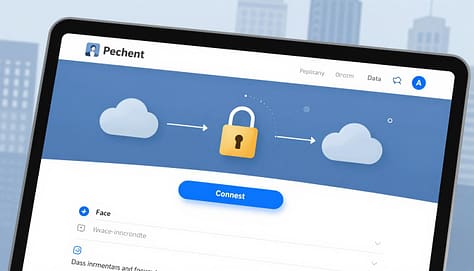
Looking at the sign-up form shows ways to use less data. While a name and email are needed, asking for a full address or phone number might be too much. A good form only asks for what’s really needed.
CivicVoice uses outside companies for hosting, analytics, and emails. These companies handle personal data, which is a risk. It’s important to check these companies carefully and make strong agreements with them. For example, the analytics company can’t use your data for their own purposes.
Because CivicVoice deals with a lot of data and watches people closely, it’s considered high-risk. Doing a DPIA (Data Protection Impact Assessment) is a good idea. It helps find and fix problems, like data getting into the wrong hands or supporter lists being shared without permission.
Another problem is keeping data too long after a campaign ends. Without a plan, data builds up, which can lead to big problems. A good rule is to keep data for as long as you need it, then get rid of it. For example, you might keep signature data for two years, then make it anonymous or delete it.
This study gives a clear guide. Companies can check their own data handling, make sure consent is clear, question each piece of data, check their vendors, and do a DPIA for big campaigns. By doing these things, following the rules becomes a normal part of doing business.
Tools: DPIA one‑pager, retention matrix, incident playbook
Effective data protection is made easier with three key tools. These tools help turn complex rules into simple, repeatable steps. They help teams move from just following rules to actively secure organizing.
The first tool is a DPIA one-pager template. It makes the main points of an impact assessment easy to see. It asks for a brief on the data, why it’s needed, the risks, and how to fix them. This makes sure DPIAs are done right at the start of risky projects.
The second tool is a data retention matrix. It gives a clear view of how long data should be kept. It lists each type of data, why it’s kept, and who’s in charge. It also says when data should be deleted. This tool makes keeping data in line with rules easy to follow.
The third tool is a incident response playbook. It’s based on well-known security plans. It helps get ready for the first 24 hours of a possible breach. It includes:
- A list of who to call for help and legal advice.
- Steps to stop the breach and save evidence.
- Ready-to-use messages for telling regulators and people affected.
- A safe place to keep all breach documents and messages.
These tools form a strong base for managing privacy. The one-pager makes risk checks simple, the matrix keeps data in order, and the playbook helps stay strong. Using these three documents makes following rules a regular part of work.
Disclaimer
This article talks about Activist Data Privacy for learning purposes only. It’s not legal, security, or professional advice.
Companies should talk to lawyers and cybersecurity experts for their needs. Data protection laws like GDPR and CCPA are complex and keep changing.
The tips on managing vendors, responding to breaches, and reducing data are based on current rules. How well they work depends on the company’s situation and risks.
No one connected to this article is responsible for actions taken because of it. It’s up to readers to make sure their data privacy efforts follow the law.
This guide is meant to help understand Activist Data Privacy basics. It’s not a replacement for getting legal or technical advice.