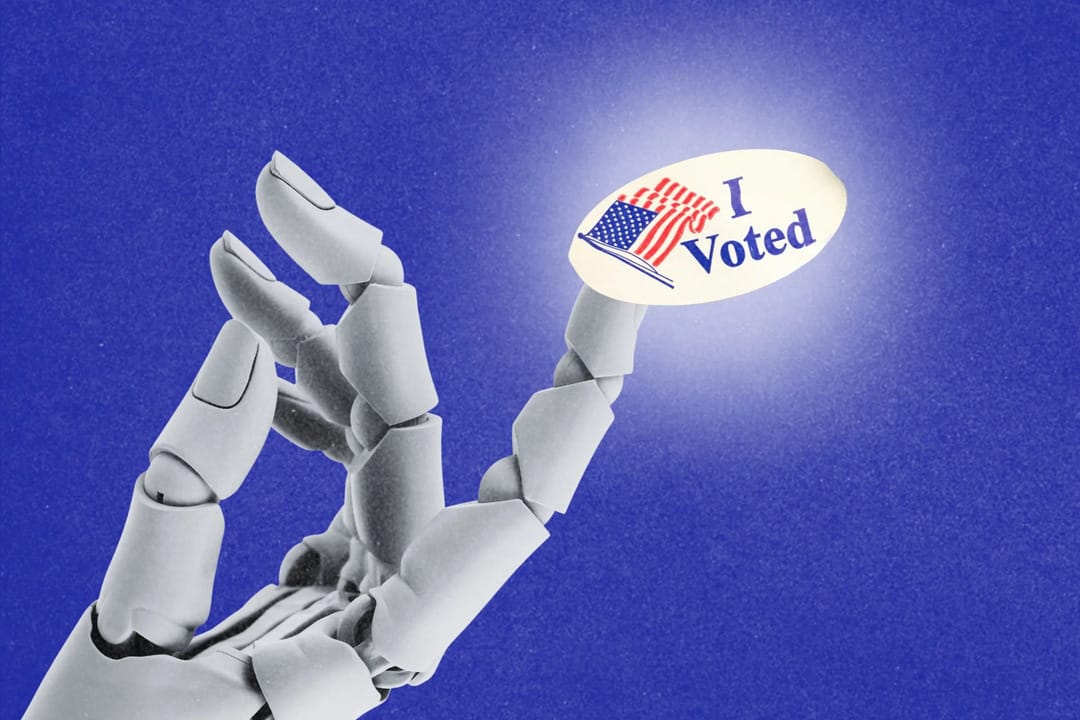
The machinery of political communication undergoes a seismic shift roughly once a decade. We transitioned from the television-dominated broadcasts of the late 20th century to the micro-targeted social media campaigns of the 2010s. Now, as we navigate the 2026 US Midterm elections, political public relations directors are facing an entirely new operational reality: the algorithmic campaign.
This election cycle marks the first fully mature deployment of artificial intelligence in domestic political warfare. For communication teams, it is no longer just about controlling the narrative; it is about verifying reality itself.
Here is a deep dive into how AI and synthetic media are fundamentally rewriting the playbook for political strategy, both on the offensive and the defensive fronts.
The Offensive Front: Hyper-Targeted Synthetic Messaging
In past cycles, a campaign might produce a dozen variations of a television commercial to test against different focus groups. Today, utilizing cutting-edge generative AI models, a campaign can generate tens of thousands of highly specific, localized ad variants in a matter of minutes.
This allows communication directors to deploy algorithmic micro-targeting at an unprecedented scale. If a campaign wants to focus on mobilizing younger voting demographics in a specific Texas district, AI tools can instantly generate customized scripts, localized voiceovers, and dynamic imagery tailored precisely to the localized concerns of that specific zip code.
The messaging is no longer static. It is a living, breathing algorithm that adjusts its tone and visual appeal based on real-time engagement metrics, bypassing the slow, expensive production cycles of traditional political consulting.
The Defensive Front: Surviving the Deepfake “October Surprise”
While the offensive capabilities of AI are a boon for fundraising and voter outreach, the defensive implications are keeping campaign managers awake at night. The barriers to creating hyper-realistic, synthetic audio and video have dropped to zero.
In previous eras, an “October Surprise“—a damaging revelation dropped just before Election Day—relied on leaked documents or secret recordings. In 2026, a devastating audio clip of a candidate making a highly controversial statement can be entirely fabricated and distributed across social media in seconds. By the time a campaign war room issues a denial, the algorithmic damage is done.
To counter this, modern political war rooms are being forced to restructure. They now require dedicated digital forensic analysts working alongside traditional PR staff. When a deepfake drops, campaigns can no longer rely on the slow cycle of traditional broadcast media consumption to clear their name. They must rapidly deploy pre-established cryptographic proofs—digital watermarks of where the candidate actually was—to kill the fake narrative within the crucial first golden hour of its release.
Foreign Interference and the Erosion of Trust
The United States domestic political arena does not exist in a vacuum. The sheer volume of synthetic media has created a “liar’s dividend”—a psychological environment where voters become so overwhelmed by fake content that they begin to dismiss actual, verified facts as AI-generated.
This environment is highly susceptible to manipulation by international disinformation networks. State-sponsored actors are actively flooding the zone with synthetic outrage, not necessarily to support one specific candidate, but to erode the American public’s fundamental trust in the electoral process itself. The strategic goal of these foreign communication operations is to create a digital fog so thick that consensus reality breaks down.
Adapting the Political PR Playbook
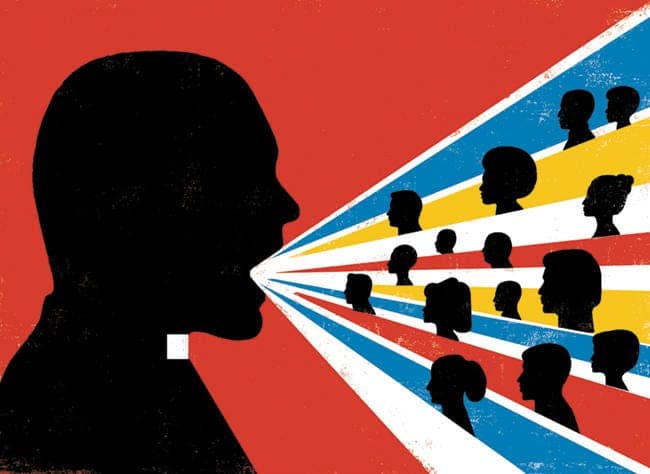
For the strategists managing national political campaign strategies, the job description has permanently changed. A communications director is no longer just a spin doctor; they are an information security manager.
Success in the 2026 midterms will not belong to the campaign with the loudest megaphone, but to the campaign that can fastest identify algorithmic threats, authenticate their own messaging, and maintain a bedrock of trust with an increasingly skeptical electorate. The digital battlefield has been drawn, and the algorithms are officially running the campaign.