
The modern nonprofit’s social media feed often feels like shouting into a digital coliseum. There’s a lot of noise, but is anyone actually stepping into the arena?
We’ve become experts at getting likes and shares. But the only thing that really matters is action. It’s not about showing off. It’s about turning digital sympathy into real action.
Platforms are more than just news feeds or places to raise money. They are a key tool for getting volunteers. Showing real impact, not just talking about it, gets people involved.
Don’t treat your followers like a passive audience. See them as a group of people ready to help. It’s about supporter mobilization in its truest form. You need to show them why they should be part of your story.
This way of thinking is the base of everything. It guides how you create calls to action and campaigns that really boost supporter engagement. We’re moving past just getting clicks. Let’s build a real army.
Engaging Supporters with Calls to Action
Think of your social media DMs as a VIP lounge for future supporters. If you ignore them, you’re missing out on great opportunities. A call to action without real digital engagement is like shouting into a void. It gets ignored or seen as annoying.
True mobilization starts with a conversation, not just a post. It’s about connecting with people, not just broadcasting.
To turn your comments section into a lively town hall, focus on two-way communication. This means checking your DMs, responding to comments, and engaging on your supporters’ posts. A simple like on a volunteer’s photo can show you care more than a bunch of infographics.
This personal touch is your secret weapon. When people feel seen, they’re more likely to get involved. Your social media volunteers are key here. They build trust through real stories, not corporate messages.
Their genuine posts prove your cause is relatable. This makes your call to action feel like an invitation, not a demand.
But how do you grow your circle? The answer is micro-influencers, not celebrities. They have smaller, but loyal, followings. Their support feels like a personal recommendation, not an ad.
Micro-influencers offer real engagement, not just reach. Their belief in your mission makes them part of your story. This approach keeps your message authentic while reaching more people.
Every interaction should be seen as a chance to recruit. Answer questions thoughtfully and thank supporters personally. This creates a powerful cycle of listening and responding.
Engaging supporters is about listening, not just talking. It’s the difference between a monologue and a dialogue. By focusing on real conversations and partnerships, you build a community ready to act. Your call to action becomes a natural step, not an interruption.
Case Studies (Successes/Failures)
Theory is elegant, but real life is where tactics are truly tested. Let’s dive into the real world to see what makes a movement succeed or fail.
Meet the episodic volunteer, a growing trend. In 2023, 18.1% of volunteering was online. The 25-44 age group led with 34%. They prefer short, meaningful tasks, not long-term commitments.
What works? Structured events like the MLK Day of Service are key. They offer a clear, impactful day of service. “Live Crowdfunding Experiences” also succeed by turning giving into an event.
Digital-native tactics also shine. “TikTok-a-thons” and Zoom tutoring sessions break down barriers. They focus on authenticity and simplicity, not perfection.
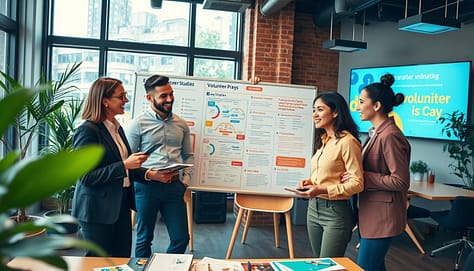
Now, let’s look at what doesn’t work. Influencer campaigns that feel transactional fail. So do virtual tasks that feel like busywork. These tactics don’t offer meaningful engagement.
What makes strategies successful? They are:
- Time-bound: They have a clear start and end.
- Impact-Transparent: You see exactly what your effort achieves.
- Social by Design: They are built for sharing, not just doing.
Failed approaches lack clarity, human connection, or feel like administrative tasks. The key is to design for the person on the other side of the screen, not just for your organization.
For more insights, check out successful community engagement initiatives. The real world is messy, but the winning strategies stand out.
Incentives & Recognition
If you think a T-shirt is enough to fuel a movement, you’re missing the point. The old ways of saying thanks, like free swag and pizza, are outdated. In today’s world, supporter mobilization is all about digital connections.
The real reward isn’t something you can hold. It’s the feeling of making a difference. People give their time and brainpower for the chance to make a meaningful impact.
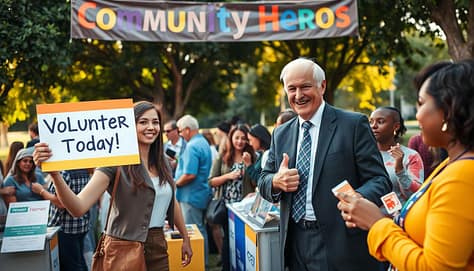
Personalized recognition is key. It’s not just a generic “thank you.” It makes someone feel like their work is truly important. A shoutout that highlights their contribution can make them feel like a leader.
Offering skills training is also powerful. For many, volunteering is a chance to learn new things. Calling a role a “crash course” in something valuable makes it more appealing.
It’s not just about making a difference. It’s also about growing and learning. This makes people want to join in because they’ll get better at something.
Showing off someone’s work is a big deal. It’s not just about rewarding them. It shows others what’s valued and how to get noticed.
This approach is about more than just saying thanks. It’s about growing together. For online supporters, being part of a meaningful story is the best reward.
Forget about just giving out stuff. Focus on recognizing and empowering people. That’s how you get true supporters who are invested in your cause.
Online-to-Offline Transition Strategies
The best digital campaigns don’t stop at the screen. They aim to get people moving in the real world. It’s about turning online fans into real-world supporters. This is where strategy meets action.
Virtual volunteering is more than a trend. It’s a big deal, with many young adults eager to help. Your first step is to make it easy for them to get involved. Start by making your online content welcoming.
Instagram Stories and posts can lead to real action. A Story about making a difference can link to a local event. Posts celebrating volunteers should encourage others to join in.
Livestreams are great for recruiting people in real-time. Instead of just watching a cleanup, join in. Show the fun and the impact. Then, link to the next event right in the stream.
Hybrid models can be very effective. A live crowdfunding event combines online excitement with a direct ask for money. A Day of Service uses digital sign-ups for local, hands-on help. These models make it easy to go from watching to doing.
To make this work, start small. Use Facebook polls to learn what people care about. Then, send them specific ways to help. This turns a casual click into a real invitation.
The goal is to make it easy to go from online supporter to volunteer. This requires careful planning of virtual events with real-world goals. Get this right, and you build a community that’s both online and everywhere else.
Metrics for Measuring Impact
So, 28.3% of Americans volunteered in 2023. That’s a nice, round number. They logged 4.99 billion hours. But what do these numbers really tell us about your impact? They’re just the beginning.
The real metric isn’t just how many people showed up. It’s what they did while there. Did your efforts turn 200 volunteer hours into 30 built dog crates? That’s a story worth telling.
Are you recruiting many, but for little? The national data shows hours are down from historical highs. Your key performance indicators should show the real value of contributions, not just numbers.
Track skill-hours applied and advocacy actions taken. Measure the network multiplier effect when a supporter shares your cause. This is how you prove your tactics are working.
This is the difference between creating digital buzz and actually changing how your mission gets accomplished. In the end, impact is the only metric that doesn’t need a sarcastic footnote.