We’ve all been through digital meetings that felt like watching grass grow. But what if I told you these online events could actually outperform in-person rallies?
It’s true: 80% of organizations now use digital parts in their plans. This isn’t just a trend – it’s the new way to get people involved.
See these digital events as supercharged chances. They offer huge reach, big cost cuts, and ways to change how people engage.
The big question isn’t if you should have virtual advocacy events. It’s whether you can skip this digital shift.
Types of Digital Events
Remember when digital activism was all about grainy YouTube streams and awkward comments? We’ve moved beyond those days to a world of advanced digital gatherings. This change has been truly groundbreaking.
When planning your online protest, you have many options. From small webinars to big virtual conferences, each has its own role.
Webinars are key for deep discussions or training. They’re like your sharp tool for fighting against injustice.
Virtual conferences can reach thousands at once. They’re like a loudspeaker that spreads your message everywhere.
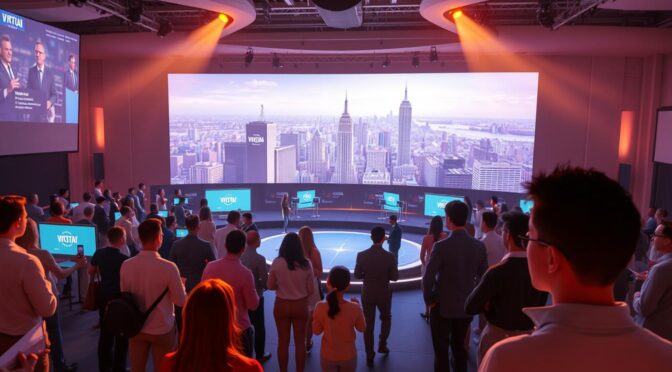
The hybrid model combines the best of both worlds. It keeps the energy of live events while reaching more people online. It’s a perfect mix.
Virtual exhibitions let people engage like they’re at a protest. They turn viewers into active supporters of your cause.
For virtual advocacy events, think about different levels of access. General sessions for everyone, and special briefings for your closest supporters. It’s all about matching your event to your mission.
Virtual rallies are often more effective than long events for online protest planning. They’re about coordinated actions on various platforms, not just one long stream.
The right choice depends on your goals. Are you raising awareness or taking action? Educating new people or organizing your team? Your answer will guide your event format.
Each type of digital event has its own benefits for your virtual advocacy events:
- Webinars: Deep engagement with complex issues
- Virtual conferences: Mass mobilization
- Hybrid events: Combine physical and digital activism
- Virtual exhibitions: Interactive experiences
Make a smart choice. Your event format can turn a whisper into a loud voice for change online.
Choosing the Right Platforms
Choosing the right platform for virtual advocacy events is key. It’s like showing up to a fancy event in the wrong outfit. You might be there, but you’re not fitting in.
The platform should match your movement’s vibe, not feel like a corporate trap. It should look professional but also feel real and authentic. If it’s too formal, you might lose your followers. If it’s too casual, you could lose credibility.

Zoom’s Events platform is a big help for those who aren’t tech experts. It’s easy to use and lets you create events that look great. You can keep your brand’s look while sharing your message.
Zoom’s AI Companion is a big plus. It’s like having a digital advisor who helps with planning and messaging. It can summarize talks, suggest actions, and help with follow-ups. It’s like having a personal assistant for your event.
But choosing a platform is more than just cool features. You need to think about a few important things:
- Accessibility: Can people join without extra software?
- Scalability: Can it handle a big turnout?
- Connection quality: Does it make you feel connected?
- Data security: Is it safe for sensitive talks?
The best platforms for virtual events put the movement first. They make sure technology helps your cause, not hinders it. They create spaces where passion and purpose meet.
Remember, your platform choice affects how people feel about your event. Choose technology that boosts your message, not hinders it. The right platform can turn virtual events into real movements.
Promotion Strategies
If you build it, they will come? That might work for baseball fields in Iowa, but for online protest planning, you need more than ghostly whispers from a cornfield. You need digital wildfire.
Your event landing page isn’t just a digital flyer—it’s the front door to your movement. Platforms like Zoom have made it easy for activists to create powerful landing pages without coding. This is a game-changer because most organizers aren’t web developers. They’re passionate change-makers.
- Email campaigns that feel like personal invitations
- Social media as digital word-of-mouth organizing
- Strategic partnerships that act as force multipliers
- Branded content that balances urgency with accessibility
Messaging must be passionate yet professional. For digital mobilization, this means creating content that’s shareable and maintains clear messaging. It’s about inspiring action while building trust.
The goal isn’t just to get people to register. It’s to create anticipation that turns attendees into advocates before the event even starts. Think of it as FOMO engineering: you’re selling connection and impact, not just attendance.
Strategic partnerships are your secret weapon. Working with other organizations can bring in new audiences. It’s like coalition building online—because sometimes, you need more than one voice to start a movement.
Remember: successful online protest planning turns passive scrollers into active participants. Your promotion strategy should make people feel they’re joining a movement, not just attending an event.
Engaging Attendees
Let’s face it: your virtual events are up against Netflix and TikTok. People’s attention spans are short, even shorter than a goldfish’s. So, how do you keep them interested when they can leave with just one click?
The secret is to make it impossible to ignore. View your event as an interactive experience, not just a broadcast. Make your attendees active participants, not just viewers.

Gamification makes events fun. Leaderboards spark competition, and scavenger hunts guide through key points. Badge collection gives that rewarding dopamine rush.
Live polls are more than just data tools; they make people feel heard. Q&A sessions turn into lively conversations, not one-way talks.
Virtual events can outdo physical ones in one way: AI-powered matchmaking. It connects people with similar interests, making networking easier than ever.
For advocacy events, try “action breaks.” These moments let attendees apply what they’ve learned. Digital petitions or contact-your-representative tools turn inspiration into action.
Social media challenges extend the event’s reach, promoting it organically. Trivia games reinforce messages, making learning fun.
The aim is not just to keep people watching. It’s to make them want to join in. In today’s world, engagement is not a choice—it’s essential.
Measuring Success
In the activism world, we often confuse good vibes with real results. That warm feeling after a virtual event? It’s not a measure. It doesn’t help in planning better campaigns.
The digital revolution gave activists real numbers. Every click, poll response, and chat message is valuable data. It’s like having X-ray vision into what moves people.
Registration numbers show reach, but attendance rates show commitment. Did people actually attend, or just like the idea? This difference is key.
Engagement metrics tell us who’s just watching and who’s participating. Poll responses, chat activity, and donation clicks show real participation. This is where you see if your online protest planning worked.
Drop-off rates are the most revealing metric. They show when people leave and why. This data tells you which messages didn’t work.
Survey responses are like a focus group for your campaign. They explain the numbers and tell you why people cared. This feedback loop makes your events better.
| Metric | What It Measures | Why It Matters | Actionable Insight |
|---|---|---|---|
| Registration Numbers | Initial interest and reach | Campaign awareness level | Marketing effectiveness |
| Attendance Rate | Actual participation | Commitment quality | Message resonance |
| Engagement Score | Active participation | Emotional connection | Content effectiveness |
| Survey Responses | Qualitative feedback | Participant satisfaction | Future improvements |
Calculating ROI for virtual advocacy means linking clicks to real change. Did you get new volunteers? More donations? Policy changes? These are the numbers that count.
Your data platform is key to organizing. It’s not just analytics; it’s campaign intelligence. Patterns show you what works and what doesn’t.
This approach to online protest planning makes activism more scientific. It’s not about replacing passion with spreadsheets. It’s about using data to make your passion more effective.
Want to learn more about event analytics? Check out this guide on measuring event marketing success. It covers advanced tracking techniques.
The best movements learn from every action. They measure, analyze, and adapt. Your data is the blueprint for your next victory.
Case Studies
Let’s look at what really works in virtual advocacy events. Real-world examples can either inspire or scare you into action.
A climate advocacy group turned their summit digital. They didn’t just stream panels; they reimagined engagement. Attendance tripled, and costs dropped 70%.
Their secret? Breakout rooms that felt like those magical hallway conversations from in-person events.
Another group used digital platforms to train thousands across time zones. This was impossible before technology made it possible. They achieved “intimacy at scale,” a virtual event goal.
The most successful cases share common traits:
- They use technology to create personal connections
- They tailor experiences in real-time with data
- They understand digital events need different rhythms
Now, let’s look at horror stories. Events that simply moved physical formats to digital were called “multiday Zoom nightmares.” One environmental group scheduled eight hours of back-to-back panels with no interaction.
“We thought we were efficient by moving online. Instead, we created digital torture chambers where engagement died after hour two.”
The lesson? Virtual events aren’t about copying physical ones. They’re about creating something new. The best treat digital as its own medium, not just a cheaper venue.
A healthcare advocacy group used gamification in their events. They had points systems, virtual “coffee chats,” and interactive polling. This made engagement soar and satisfaction records high.
Why? Because they knew attention spans differ on screens and in seats.
Organizations that blend analysis with creativity outperform those stuck in old ways. The digital world rewards boldness and punishes complacency.
So, what makes winners? Strategic technology use, data-driven personalization, and treating virtual events as their own unique thing.
The organizations getting it right see virtual events as upgrades, not compromises. They’re not waiting for things to go back to normal. They’re busy making something better.
Tips for Hybrid Events
Hybrid events are like the perfect mix of online and offline worlds. They bring together the best of both, making sure everyone feels included. It’s not just a compromise but a new way to connect.
Creating parallel but equal experiences is key. Imagine two events happening at once, feeling like one. Virtual attendees shouldn’t feel left out.
For online protest planning, think of physical rallies linked to a virtual stage. Local events across cities could all connect to one big digital space. It’s a big challenge, but the results are worth it.
Hybrid events have many benefits. They can reach more people, no matter where they are. And they keep the excitement of being there in person.
Here’s a quick guide to switch to hybrid events:
- Communicate early about the hybrid format – surprise is overrated in event planning
- Adapt your agenda to create intentional moments of intersection between formats
- Test your tech until it’s boringly reliable – nobody wants revolutionary glitches
- Support attendees in both realms with dedicated moderators and clear instructions
- Reframe your messaging to celebrate the hybrid advantage, not apologize for it
Hybrid events succeed when everyone is treated equally. Whether you’re at home or in the audience, you should feel the same level of connection. This way, you can really make a difference, no matter where you are.
In online protest planning, this approach turns local efforts into global movements. The tech might be tricky, but the idea is simple: value every participant, whether they’re online or offline.
Conclusion
Virtual advocacy events have grown beyond just pandemic solutions. They’ve become more advanced than many in-person events. Today’s leading organizations see digital events as needing their own strategies and success measures.
It’s not about making online events just like in-person ones. It’s about creating something new that uses digital connections’ strengths. Technology will keep changing, but the key principles stay the same: know your audience, be real, and track what’s important.
Focus on human connection over tech tricks. The future of virtual events isn’t about better cameras or faster streams. It’s about making digital spaces into communities, turning viewers into participants, and starting movements.
The best virtual events use technology as a tool, not the goal. They remember that every screen has a person looking for connection, meaning, and to make a difference. That’s where the magic truly lies.