Why do people scroll past cute animal videos to help causes online? It’s not just kindness. It’s a mix of psychology.
Self-Determination Theory shows us what drives us: autonomy, competence, and relatedness. When we volunteer, we seek these. We want to choose our path, improve our skills, and connect with others.
The drop in volunteering after the pandemic isn’t a lack of caring. It’s a mismatch between our desires and digital platforms. It’s like choosing a show versus being stuck with cable TV. Engagement depends on feeling in control.
To create lasting volunteer engagement, we need to understand psychology. Then, we can build systems that meet these needs. It’s about making digital spaces that truly connect us, like turning social media followers into active participants. Learn how at this link.
Key Retention Frameworks & Models
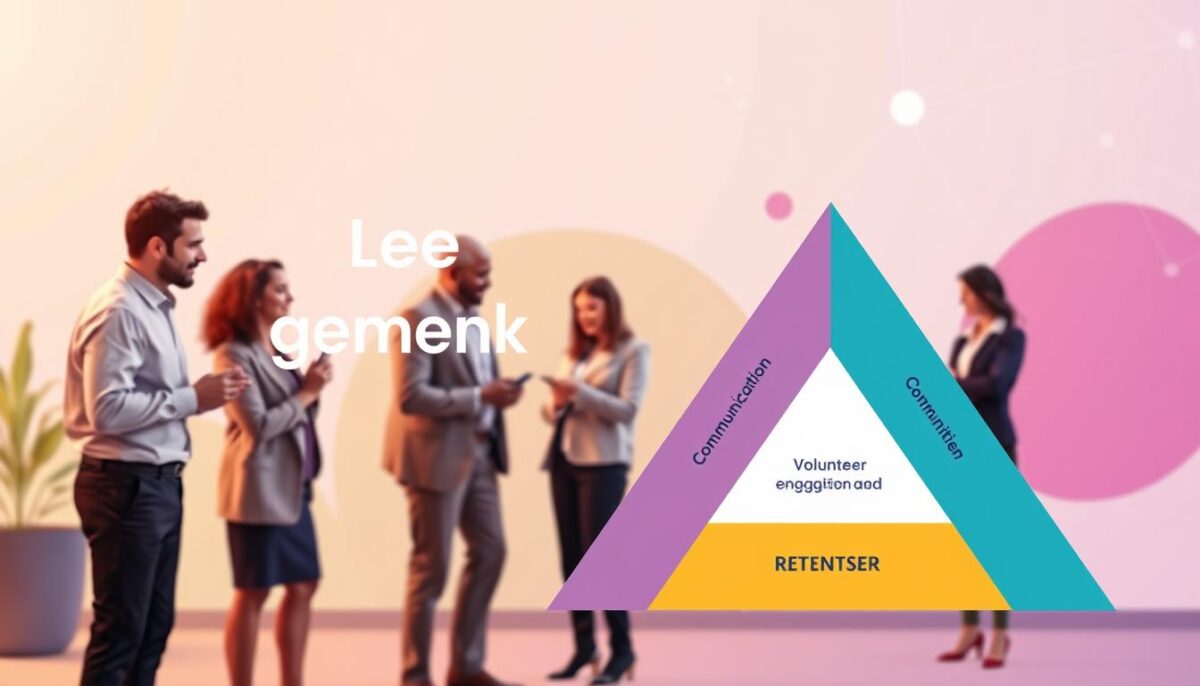
Getting volunteers is easy, but keeping them is hard. You need a clear plan, not just hope. The Volunteer Retention Model (VRM) is that plan. It’s a four-step guide from newcomer to community leader.
Forget vague mission statements. This model gives you specific stages to target with specific retention tactics. Let’s walk through them.
Act I: Attraction. This is your digital first impression. Is your call-to-action clear, or is it hard to find? Good digital tools here make things clear and easy.
Act II: Engagement. The volunteer has shown up. Does the experience feel welcoming, or confusing? This stage is about early wins and belonging.
Act III: Retention. The critical phase. Here, retention tactics focus on integration. It’s about consistent value, recognition, and keeping volunteers active.
Act IV: Leadership & Legacy. The ultimate goal. This is where a volunteer becomes a leader, mentoring others. It’s the difference between a one-time donor and a lifelong advocate.
To move someone through these stages, your digital tools need to do more than just function. They need to fulfill core human psychological needs. Enter the Self-Determination Theory (SDT) mashup with the VRM.
SDT says we’re motivated by autonomy, competence, and relatedness. So, let’s ask the hard questions about your platform. Does it make people feel capable, or like they’re failing? Does it foster connection, or is it a digital silo? Does it offer meaningful choice, or a rigid path?
Frameworks that look great in PowerPoint often fail in real life. The SDT-VRM lens exposes these gaps. It turns abstract theory into a practical design checklist.
What does this look like in action? Recent research pinpoints eight key shifts—practical contributions—that move us from counting hours to cultivating commitment. These are the real retention tactics you should steal:
- From Generic to Personalized: Ditch the blast email. Use data to tailor communications and opportunities.
- From Transactional to Relational: Design for peer connections, not just task completion.
- From Siloed to Integrated: Make your volunteer platform talk to your comms tools and CRM.
- From Output-Focused to Impact-Focused: Show volunteers the direct result of their work, in real time.
- From Rigid to Flexible: Offer micro-tasks and async options, not just marathon commitments.
- From Opaque to Transparent: Clearly show progression paths and how to advance to leadership roles.
- From Passive to Co-Creative: Give volunteers a voice in shaping projects and processes.
- From Episodic to Sustained: Build programs for long-term involvement, not just one-off events.
Implementing these shifts is how you engineer volunteer retention. It transforms your program from a leaky bucket into a thriving ecosystem. The goal isn’t just to retain bodies; it’s to nurture advocates who will, in turn, attract and retain others. That’s the legacy part of the model in full, glorious effect.
So, before you post another desperate call for volunteers, audit your framework. Are you just hoping they’ll stay, or are you strategically guiding them from Attraction all the way to Legacy? The difference isn’t academic—it’s the difference between a revolving door and a foundation that lasts.
Social Media Community Building
Building a volunteer community online is more than just managing a list. It’s about creating a culture. Let’s face it, posts about volunteering often get little attention. They’re like municipal tax notices, not real connections.
The secret to keeping volunteers is in the digital spaces where they feel related and work together. This is where real community magic happens.
Psychology shows we all need to feel connected. For volunteers, this means feeling part of a group. It’s not just about the work done, but the fun shared and victories celebrated together. Your goal is to turn a group of volunteers into a strong, united tribe.

Think of the most exciting online communities. They thrive on stories and updates, not official news. Create a digital “water cooler” on Facebook, Discord, or Slack for casual chats. This makes volunteering fun and social, where friendships and mission-focused talks grow naturally.
Good community management needs careful planning. Start by mapping volunteer personas to know what they value. Then, share fun stuff and celebrate milestones. Ask fun questions on Fridays and use tools for quick updates.
A moderator is key. They’re not just keeping order; they’re making the community feel welcome. They start conversations, highlight contributions, and keep things respectful. This makes logging in feel like catching up with friends, not a chore.
When the community is thriving, something special happens. Your cause becomes a part of their identity. They feel they’re part of a movement, not just helping an organization. This sense of belonging is the best way to keep volunteers, more powerful than any thank-you.
Learning this skill is essential for keeping volunteers long-term. It’s about more than just tracking who’s there. It’s about growing a community that feels like family. The mission becomes their identity, something no spreadsheet can measure.
Gamification & Recognition Systems
Imagine a system that tracks your impact and prevents burnout. This is what modern gamification promises. But for many volunteers, it’s just a “Volunteer of the Month” award in Comic Sans. That’s not engagement; it’s a polite insult.
True gamification isn’t about making activism a game. It uses psychological hooks from games like clear goals and feedback. These elements satisfy our need for competence. Seeing your efforts lead to real outcomes, like trees planted, is meaningful. It stops the *quiet creep* of losing faith.
The digital world offers many tools. We have impact dashboards, e-certificates, and feedback loops. We also have personal emails, handwritten cards, and social media spotlights. The smart thing to do? Integrate them. A LinkedIn badge for a training should link to a dashboard showing how that skill is used.
But, poorly designed systems can make burnout worse. A leaderboard or points for just showing up can be stressful. It turns focus from group impact to personal scores. This can make competence turn into anxiety.
The key is balance. Recognition should come with a focus on wellbeing. This means having “burnout flags” to spot overwork. It also means allowing volunteers to take breaks without penalty. The best organizations offer sabbaticals, knowing that passion needs rest.
A happy volunteer is one who stays, not one who’s exhausted. The aim is to make impact clear and volunteer wellbeing a priority. Anything less is just points on a screen, and we’re smarter than that.
Real-World Impact Communication
Ever got a “thank you” email that felt like spam? That feeling of doubt, “Is any of this actually making a difference?” is a big problem for volunteer engagement. We’re great at counting hours but bad at showing purpose.
Let’s look at the facts. Most groups treat impact emails like corporate news. They’re dry and sent to everyone, with no warmth. This isn’t just boring; it’s a big mistake. We track hours but forget about the quality of the experience.

We need a change in thinking. See volunteers as heroes in a story, not just parts of a machine. Your job is to show them their role in the story.
Good communication is key for keeping volunteers. Generic emails don’t work. Tell each volunteer how their work helped, like “Your book drive gave 50 kids new books for summer.”
Storytelling beats data any day. Share a quote from someone helped. Post a photo with a story behind it. Use stats in a way that feels real, like “100 neighbors had dinner thanks to you.”
Think about a personal impact report. A simple page at the end of a project. It shows what you did and how it helped. It makes your work feel real and valued.
The table below shows the old way vs. the new way. It’s a plan to make your communication stand out.
| Communication Dimension | The Generic Newsletter (What Fails) | The Impact Narrative (What Works) |
|---|---|---|
| Core Message | “Thanks for your service.” (Vague, institutional) | “Here’s the difference you made.” (Specific, personal) |
| Primary Channel | Blast email to entire volunteer list | Tailored messages (email, note, call) based on role/interest |
| Focus | Organizational outputs (hours logged, dollars raised) | Human outcomes (stories changed, problems solved) |
| Volunteer Perception | Feels like an interchangeable extra on a set | Feels like a key player in the plot |
| Likely Outcome | Disengagement, attrition, silent quitting | Sustained volunteer engagement, advocacy, renewed commitment |
Creating a compelling story isn’t about money. It’s about being intentional. Share one great story instead of many boring updates. People give time for connection and impact, not just to check a box.
When you share real impact, you’re not just reporting. You’re showing volunteers they’re important. This message is the best way to keep volunteers. It makes them feel like they own their work, not just do it.
So, ditch the generic emails. Be the storyteller. Volunteers want a reason to believe, not just a receipt. Give them that reason.
What Works/What Fails Analysis
What makes a volunteer program thrive or fail? The answer is simple. The main mistakes are often basic and easy to fix.
Failed programs focus too much on numbers, not the impact. They split digital and physical efforts, using many apps and spreadsheets. This causes frustration. Worst of all, they treat volunteers like unpaid workers, leading to activist burnout and leaving.
On the other hand, successful programs like Sustrans use a single digital hub. They focus on connection and flexibility. They match volunteers to roles that fit, not just fill a spot.
Hybrid engagement is key for the future. Using AI ethically can build trust by personalizing outreach. Inclusive design lets everyone contribute. It’s about creating a strong community, not just managing volunteers.
The way forward is to conduct a thorough review. Forget about useless metrics. Unify your tools. Listen to volunteers and act on their feedback, a key to keeping volunteers. The wise advice? Stop treating volunteers like resources and start nurturing them.